How Many Ounces of Water in a Cup?
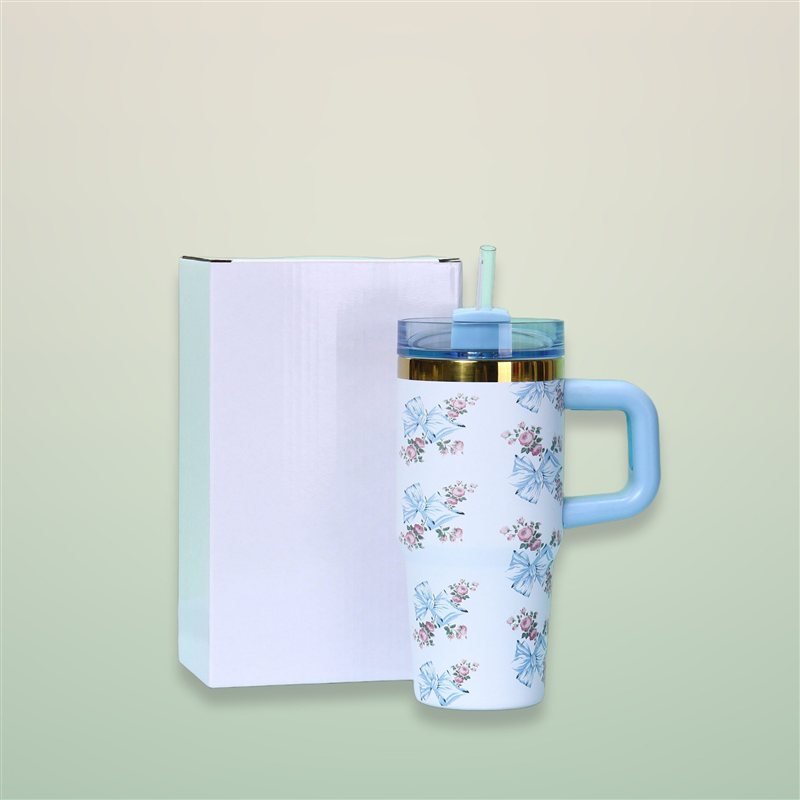
In daily life, accurately understanding the capacity of water bottles or tumblers is crucial for managing personal hydration habits. Whether it’s to meet daily health hydration goals or simply to know how many cups of coffee your favorite tumbler holds, mastering the conversion between ounces and cups is a very practical skill. According to the US customary system standard, 1 cup equals 8 fluid ounces. This simple and clear ratio provides a convenient basis for capacity calculations.
Detailed Capacity Conversion Guide and Practical Scenario Analysis
To help you more intuitively understand the practical uses of different capacity containers, we have compiled the following detailed reference table. This guide includes precise capacity conversions and an in-depth analysis of the usage scenarios for each specification, helping you make the smartest choice based on your lifestyle:
- 12 ounces (12oz): Equivalent to ~1.5 cups or 355 ml. Similar to a standard can of soda. Ideal for a single espresso shot or as a hydration companion for short trips. Its compact size makes it easy to carry.
- 14 ounces (14oz): Equivalent to ~1.75 cups or 414 ml. A practical size between the typical small cup and the “pint” size. Suitable for users who want slightly more capacity than a small cup but not a full pint, e.g., for specialty drinks or a personal coffee cup.
- 17 ounces (17oz): Equivalent to ~2.1 cups or 503 ml. Slightly larger than the classic 16oz pint. Suitable for occasions where you want to drink more coffee or tea without frequent refills, balancing capacity and holding comfort.
- 20 ounces (20oz): Converts to 2.5 cups or 591 ml. A common size for takeaway coffee cups and daily portable water bottles. Balances drinking satisfaction with portability. Suitable for half-day outings or continuous hydration during work/study.
- 24 ounces (24oz): Equivalent to 3 cups or 710 ml. Larger than the common medium cup. Suitable for post-workout hydration, longer commutes, or busy office days with frequent meetings. One fill can cover needs for multiple periods.
- 32 ounces (32oz): Equal to 4 cups or 946 ml, about 1/4 gallon. A very classic all-day water bottle capacity. Filling it twice meets the daily water intake recommended by many health organizations. Suitable for the office, day hikes, or daily indoor use.
- 40 ounces (40oz): Equivalent to ~5 cups or 1.18 liters. Larger than 32oz. Suitable for fitness training, outdoor work, or situations requiring long-term hydration, reducing the hassle of frequent refills.
- 64 ounces (64oz): Equal to 8 cups or 1.89 liters, i.e., half a gallon. Designed for high-frequency water drinkers, like fitness enthusiasts, outdoor workers, or those who don’t want to refill often throughout the day. Large capacity provides lasting hydration assurance.
- 1 Gallon (128oz): Converts to 16 cups or 3.79 liters. Belongs to the extra-large capacity series. Suitable for family water storage, group activities, camping, or multi-day outdoor adventures. One reserve meets the water needs of multiple people or multiple time periods.
Our factory supports customization of water bottles from 12oz to 128oz and above. We can flexibly adjust specifications based on usage scenarios, materials, sealing methods, etc., to help you create your ideal custom drinkware product.
Professional Design and Material Selection Advice
As a professional container manufacturer, we know capacity is just one part of the user experience. When designing different specifications, we consider multiple factors and offer the following professional advice:
We recommend offering diverse capacity options for different user groups. For example, design lightweight 12-20 ounce models for children and light users, easy for them to hold and carry. Provide professional 32-64 ounce specifications for athletes, hikers, and health-conscious users to meet their higher hydration needs. Each specification should consider ergonomic design for its specific use case, ensuring comfortable grip and easy storage.
Clear, easy-to-read capacity markings are a key detail that enhances user experience. We recommend adding embossed or printed capacity marks on the inner or outer wall of the bottle, using both fluid ounces and milliliters. This design not only helps users track intake accurately but also assists those with specific hydration goals. Based on market feedback, this thoughtful detail is highly appreciated and adds significant value.
Lid function design matching the container capacity is equally crucial. For containers 64oz and above, adding a carry handle greatly improves portability. Wide-mouth designs facilitate adding ice or thorough cleaning. Conversely, for smaller containers under 20oz, leak-proof and one-handed opening features might be more important. Each capacity container should be paired with a lid system specifically designed for its use case, ensuring optimal functionality and convenience.
Conclusion: Choosing the Container that Perfectly Matches Your Needs
Understanding container capacity conversions is more than just mastering numbers; it’s about choosing the best drinking companion for your lifestyle. Whether you need a coffee cup for your busy workday or a hydration partner for your marathon training, the right capacity choice significantly enhances your experience. As a professional manufacturer, we are committed to providing a full range of products from compact to professional large capacities, ensuring every user finds the one that perfectly matches their needs and lifestyle.