Journal
Materials & Safety
Steel grades, Tritan, BPA-free claims and lead-safety checks — what the material numbers on a spec sheet actually guarantee, written for buyers who have to defend them.
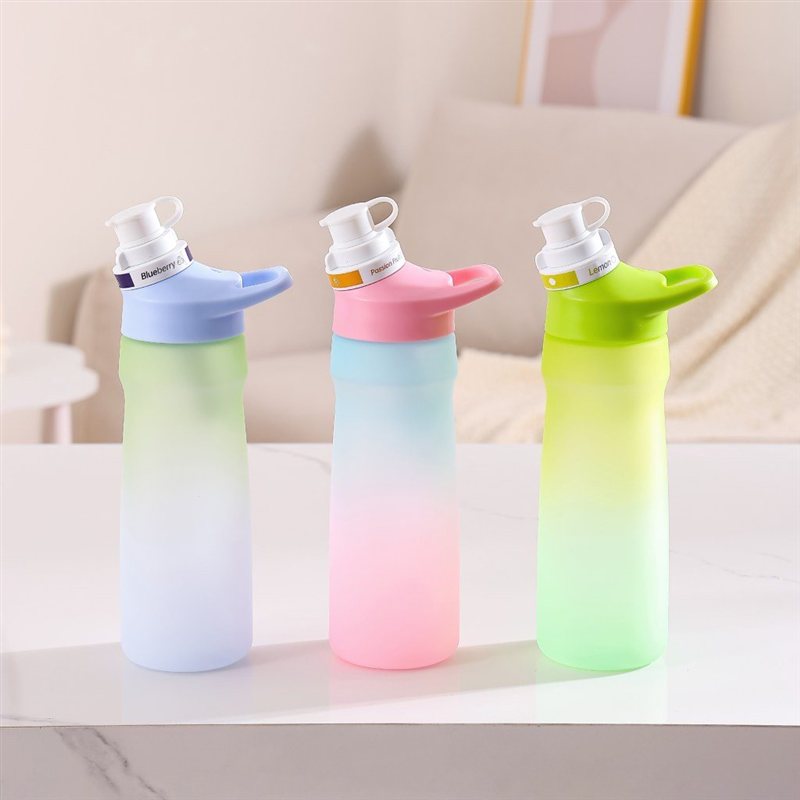
Is Titanium Better Than Stainless Steel for Water Bottles?
In the high-end water bottle manufacturing sector, the titanium vs. stainless steel debate is a hot topic. These two metals have unique physical properties and application scenarios, and the ideal…
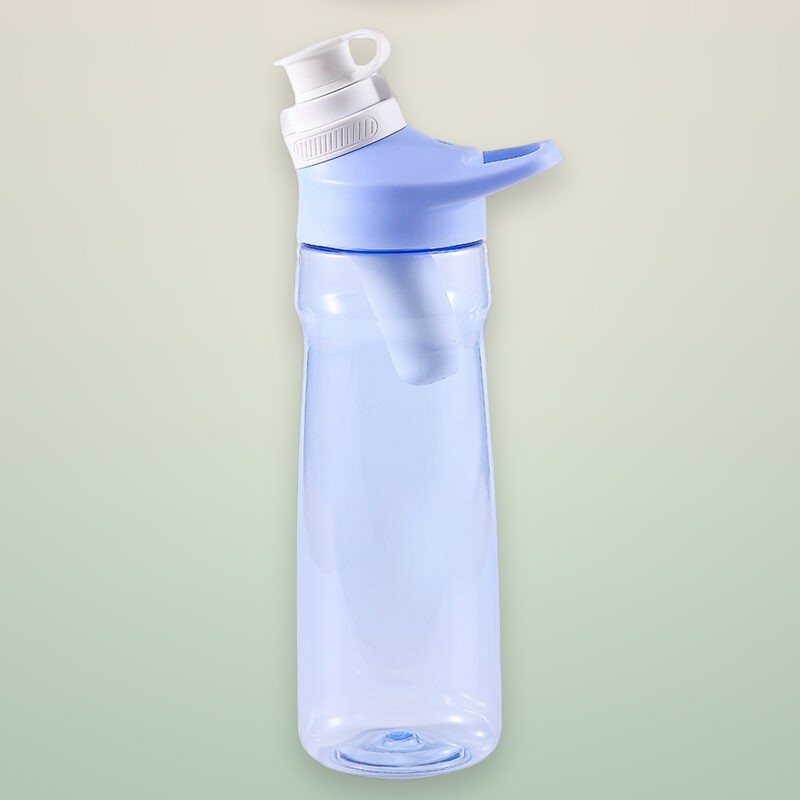
How to Choose a Water Bottle to Reduce Health Risks: A Guide Focused on Tritan Material
In today’s health-conscious world, drinking water safety is increasingly important. As an everyday item in close contact with us, the material of a water bottle directly affects water quality and…
Difference Between 304 and 316 Stainless Steel: Comprehensive Analysis
In the beverage container and outdoor equipment manufacturing sectors, material selection directly impacts product durability, safety, and service life. The performance differences between 304 and 316, two of the most…
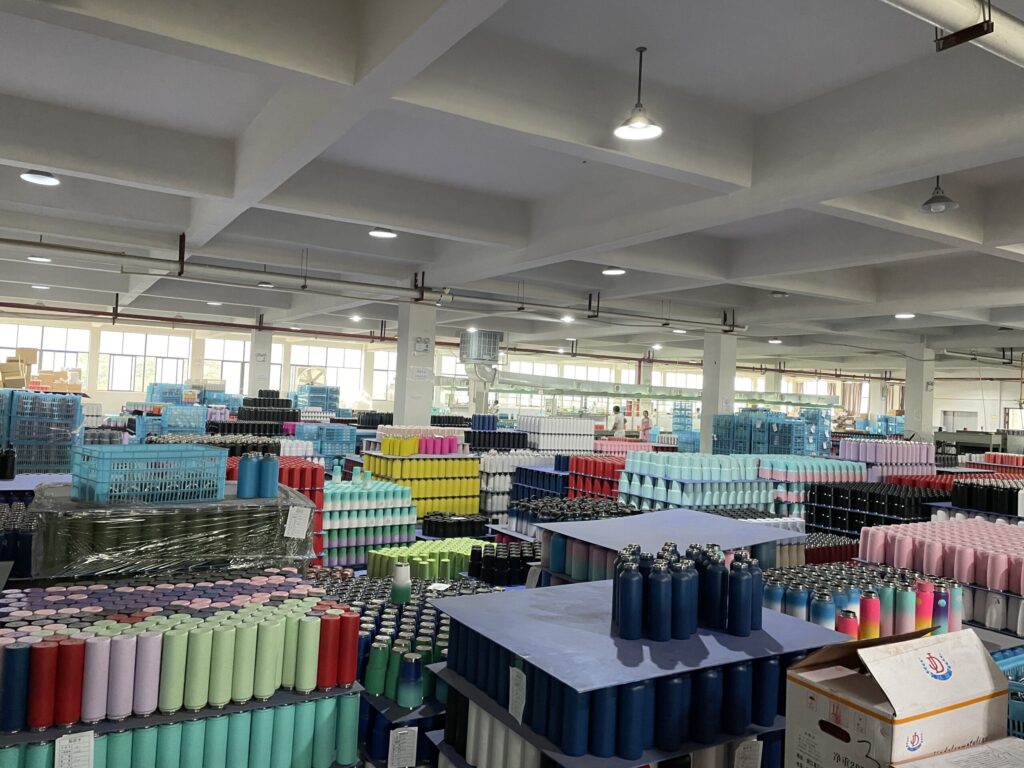
What Are Water Bottles Made Of?
When it comes to reusable water bottles, there are various materials to choose from, each with its own set of benefits and characteristics. Lsbottle has rich experience in custom manufacturing…
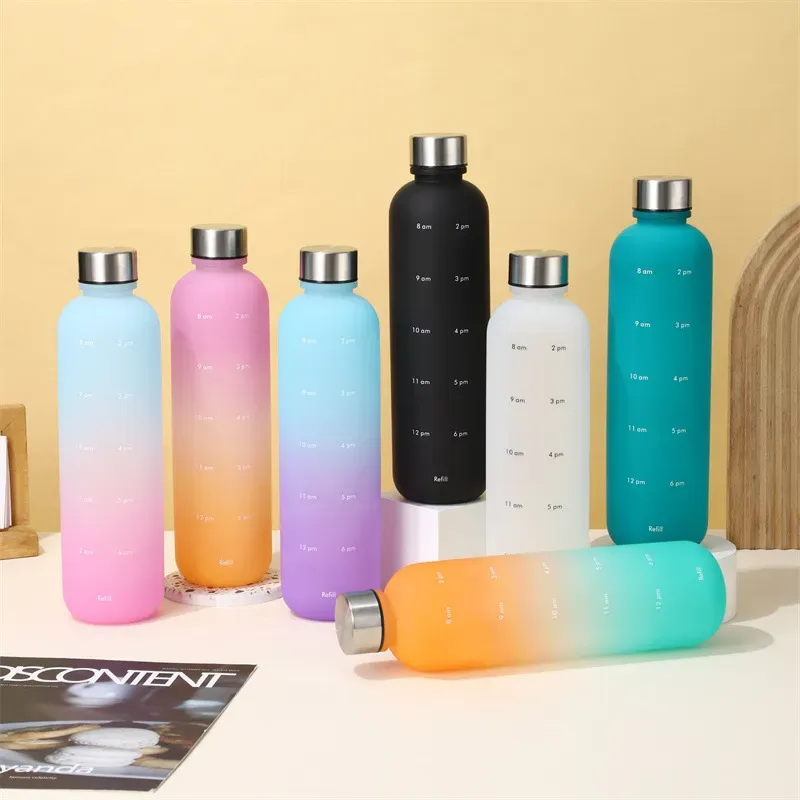
Is BPA Free Plastic Safe? A Water Bottle Manufacturer’s Deep Dive
Concise Response: The term “BPA-Free” represents a meaningful advancement toward safer plastic products, yet it does not ensure complete safety. Some alternative materials may carry their own risks, particularly when…
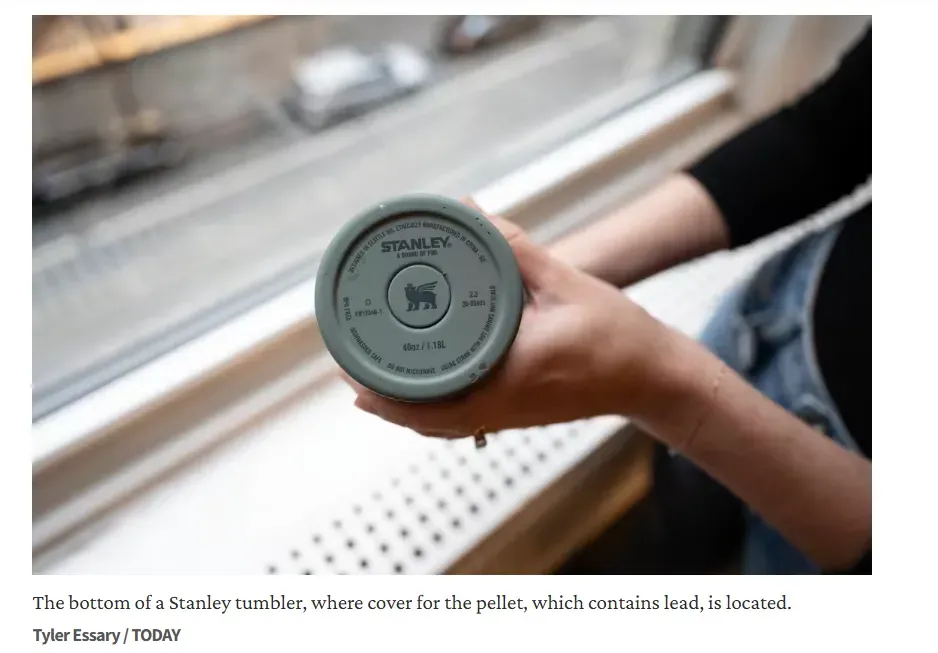
Do Stanley Water Bottles Contain Lead? The Truth About Steel
Quick Response As quoted by Today News post, Yes, some Stanley cups (and other brands) use a small lead pellet in the manufacturing process to create the vacuum seal at…
Have a question we have not written about?
Ask an engineer directly. If it is a good question, it usually becomes the next article.